Author

admin

Browsing

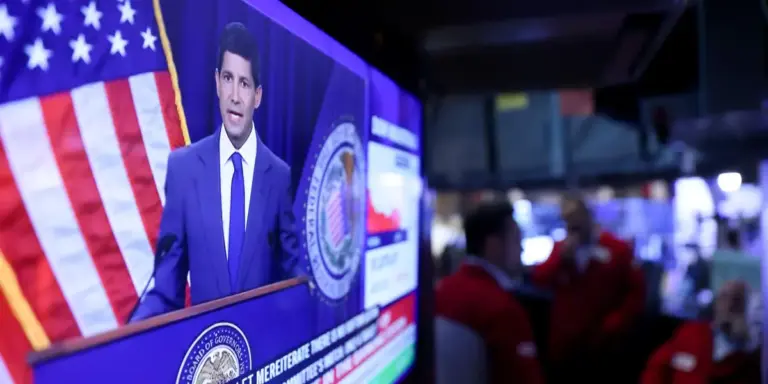
Investors typically view Federal Reserve rate hikes with a sense of dread, remembering how aggressive tightening cycles can sink portfolios. With current market data suggesting a strong probability of rate increases in the coming months to combat stubborn inflation, many fear a repeat of 2022 when the S&P 500 tumbled by twenty percent. Historically, the numbers back up this anxiety, as data from LPL Financial shows that the index often delivers negative returns in the half year following the start of a hiking cycle.

However, several Wall Street experts argue that this time may be different due to the massive influence of artificial intelligence. Whitney Stewart of Sterling Capital Management suggests that outsized earnings growth fueled by AI spending could act as a powerful counterweight to higher borrowing costs. This mirrors the environment of 1997, where a furious rally persisted despite rate hikes because investors were captivated by the potential of the early internet. With double digit earnings projections for 2027, the technological boom provides a fundamental strength that wasn’t present during previous downturns.

Beyond technology, the pace and scale of these anticipated hikes are expected to be far more manageable than those seen recently. Kevin Gordon from Charles Schwab notes that historical trends show stocks actually rise by an average of ten and a half percent in the year following a slow tightening cycle. Because inflation is moderating from its peaks rather than skyrocketing toward nine percent again, analysts believe the Fed will likely take an elevator approach, raising rates in small increments that give investors time to adjust without triggering a panic sell off.

Ultimately, analysts like Mike Reynolds at Glenmede suggest that while we might see some temporary price corrections after a hike, a sustained crash is unlikely. Since the central bank is merely dealing with residual inflation rather than an uncontrolled fire, there is no reason to expect another brutal drawdown. If the Fed maintains a measured hand and corporate earnings continue to climb thanks to AI innovation, stocks may find themselves weathering this upcoming volatility just fine.
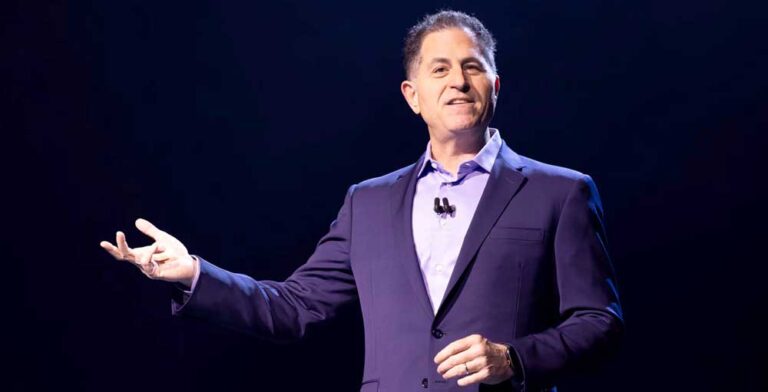
While many investors believe that you need to be at the helm of a chipmaking giant like Nvidia to see astronomical gains in today’s market, one veteran entrepreneur has proven otherwise. Michael Dell, the 61-year-old founder of Dell Technologies, has managed to outpace even some of the most high-profile names in artificial intelligence when it comes to sheer wealth accumulation this year.

According to a recent analysis conducted by Investor’s Business Daily, Dell’s strategic positioning within his own company has paid off in a massive way. The tech mogul holds a substantial 46 percent stake in Dell Technologies, and as the demand for AI infrastructure continues to surge, so too has the valuation of those shares. This rally pushed the value of his holdings up by a staggering 157.5 billion dollars over the course of the year.

This windfall highlights a broader trend where established hardware companies are finding new life through the integration of advanced computing technologies. While Jensen Huang remains the face of the current semiconductor boom, Michael Dell’s ability to leverage his existing empire into the modern AI era demonstrates that legacy leadership can still dominate the financial leaderboard. It serves as a reminder that sometimes the biggest wins come from betting on your own foundation during a period of rapid industry transformation.

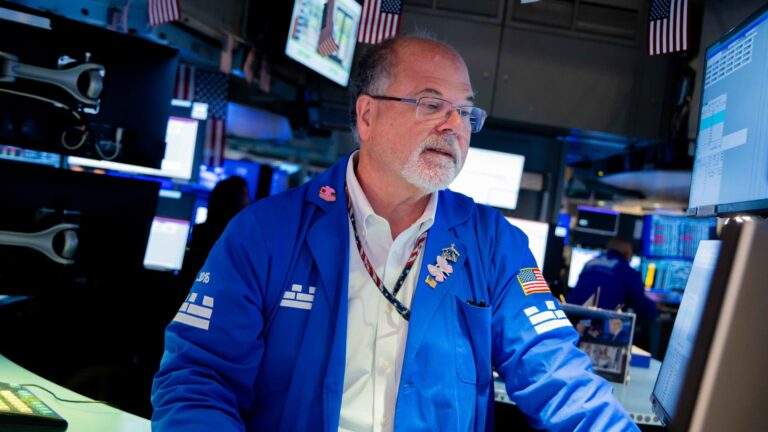
Wall Street staged a significant comeback on Friday, snapping a four session losing streak as investors shrugged off sticky inflation data and found relief in retreating oil prices. The Dow Jones Industrial Average led the charge, rallying more than 500 points to close at 52,573.29. Both the S&P 500 and the Nasdaq Composite followed suit, climbing nearly one percent each to recover some of the ground lost during what had been a bruising week for the markets.

Much of the positive momentum came from a dip in crude oil prices, which eased back after several days of sharp climbs triggered by geopolitical instability in the Middle East. Despite Saudi Arabia shutting down its critical East-West pipeline as a precaution following attacks, West Texas Intermediate futures dropped over two percent to settle just above 100 dollars per barrel. This cooling effect provided enough breathing room for traders to look past new government reports showing that consumer prices rose zero point four percent in August.

Despite the rally, underlying economic concerns remain high as treasury yields hit levels not seen since last summer. Market analysts suggest that the Federal Reserve may be forced into a series of rate hikes rather than a single adjustment to truly stabilize price growth, especially with core inflation coming in slightly higher than anticipated. Current forecasts indicate an eighty six percent chance of a quarter point increase next week as policymakers struggle to balance economic growth with persistent inflationary pressures.

Individual corporate performance also played a key role in Friday’s recovery, particularly within the technology sector. Companies like Dell Technologies and Hewlett Packard Enterprise saw double digit gains, helping lift ten of the eleven sectors in the S&P 500. While certain healthcare giants lagged behind and federal budget deficits continued to climb toward two trillion dollars, the general sentiment on the trading floor remained bullish throughout the day, ending a volatile stretch for American investors.

Investors in Rocket Lab have had a bruising few months, watching the stock plummet 39 percent between mid June and September 10. While the broader S&P 500 climbed slightly during that period, Rocket Lab fared significantly worse than industry peers like Lockheed Martin and Northrop Grumman. This sharp divergence suggests that while the space sector may be experiencing some general softness, Rocket Lab is grappling with specific internal pressures that have spooked the market despite some impressive top line growth.

On paper, the company looks like a powerhouse in expansion. It recently reported record quarterly revenue of 234 million dollars, representing a massive jump from the previous year. Much of this success stems from its Space Systems division and a lucrative contract with the Space Force. However, these records haven’t translated into actual profits. Operating margins remain in the red, and management has guided for widening losses in the coming quarter as they pour capital into the development of their ambitious Neutron rocket.

The central tension for shareholders lies in a high valuation tied to an unproven timeline. With a market cap around 39 billion dollars, investors are essentially betting on when the bleeding will stop. The path to profitability relies heavily on two major milestones: the first successful launch of the Neutron rocket and the completion of an acquisition of Iridium. Because any delay in those events pushes back positive cash flow, markets are reacting nervously to reports that the late 2026 launch window for Neutron is narrowing.

Adding to the complexity is the financial bridge required to reach these goals. Rocket Lab continues to burn through cash to build out its infrastructure and integrate recent acquisitions like Mynaric. Furthermore, the highly anticipated Iridium deal isn’t expected to close until mid 2027. Until then, the company remains caught in a precarious gap where record revenues coexist with deepening losses, leaving stockholders to wonder if current valuations can be sustained without a concrete victory on the launchpad soon.

The initial excitement surrounding the tokenization of real world assets is beginning to fade, giving way to a more practical focus on building actual infrastructure. However, widespread adoption remains stalled because current platforms struggle to communicate across different jurisdictions, exchanges, and complex compliance frameworks. This lack of coordination creates isolated silos within proprietary systems, which ultimately stifles secondary market liquidity and shakes the confidence of major institutional investors.

Chris Turner, the co founder of KULA, believes that solving this fragmentation requires more than just better software; it requires legally enforceable standards that stay attached to the asset itself regardless of where it moves. To tackle this head on, KULA has released six modular Ethereum Request for Comments standards as open source public goods. These tools are designed to handle everything from how an asset binds to its token and how valuations are tracked to ensuring strict adherence to travel rules and compliance reviews.

By utilizing a modular approach, institutions have the flexibility to implement only the specific components they need without sacrificing legal clarity. Because these standards are built on Ethereum, where a significant portion of real world asset volume already lives, there is a strong chance for them to serve as a unifying framework for the industry. Instead of starting from scratch with legal structures for every single transaction, this model allows assets to flow securely through global markets.

Turner suggests that creating this level of interoperability is the final necessary step in turning scattered tokenization experiments into a truly scalable financial ecosystem. By bridging the gap between disparate technical and legal environments, the goal is to transform how high value assets are traded and managed on a global scale.

Investors are flocking to copper stocks as metal prices climb toward historic highs, fueled by a perfect storm of dwindling supply and surging global demand. Over the past year, U.S. copper prices have soared by more than 50 percent, while those on the London Metal Exchange have jumped nearly 48 percent. Though the pace of growth has slowed slightly since the beginning of the year, the general trend remains firmly upward, driven largely by the rapid expansion of artificial intelligence and the ongoing global shift toward green energy transitions.

Major industry players are seeing these pricing winds translate directly into stock market gains. Mining giants like Glencore and Southern Copper have seen their shares surge by around 50 percent this year, while BHP has climbed 42 percent. Even companies struggling with operational setbacks have found success; Freeport McMoRan has gained 48 percent since January despite recent hurdles at its smelting facilities. The boom is extending beyond the majors into the junior mining sector, where smaller firms like Tintina Mines and BCM Resources have seen explosive triple digit percentage growth as investors bet on new discoveries in Chile and Nevada.

The current price spike is rooted heavily in systemic supply failures across the globe. Major mines in Indonesia and the Democratic Republic of Congo have dealt with significant accidents, while severe storms in Chile recently forced production cuts at Antofagasta’s Los Pelambres site. Additionally, political instability in Panama continues to hamper output following government orders to halt operations at First Quantum’s Cobre Panama mine. These disruptions are compounded by geopolitical tensions and shifting trade policies, including new U.S. tariffs on refined copper that are prompting a rush of imports before costs rise further in 2027.

Looking forward, the industry is responding to this scarcity with massive investments in infrastructure and exploration. Capital expenditure for mining is projected to hit a ten year high of 121 billion dollars this year, much of it dedicated to filling project pipelines for copper specifically. While volatility in oil prices and shipping constraints through the Strait of Hormuz present lingering risks for operating costs, the overarching appetite for copper suggests that the market is moving toward a long term supply deficit that could keep prices elevated for years to come.

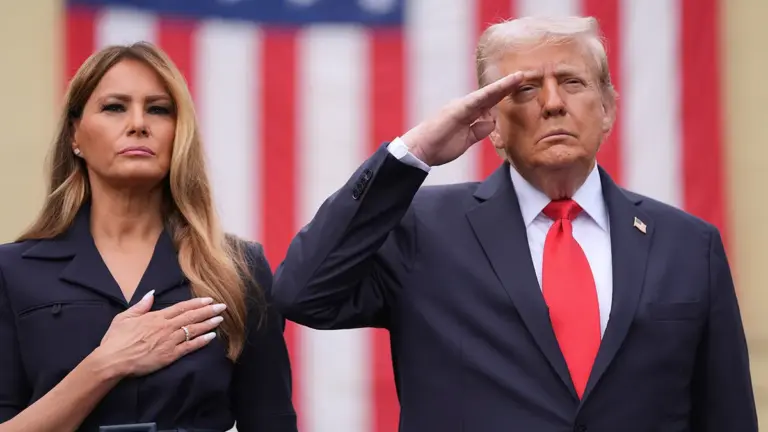
President Donald Trump will commemorate the 25th anniversary of the Sept. 11 terrorist attacks at the Pentagon on Friday, honoring the victims and first responders who lost their lives that day.

“As a proud New Yorker, President Trump has spoken about his own experiences watching the horrific events of September 11, 2001,” White House principal deputy press secretary Anna Kelly told Fox News Digital.

“On the 25th anniversary of this tragic day, the president will remember those who were killed at the hands of evil terrorists, honor their loved ones, and pay tribute to the brave first responders who put their lives on the line to rescue their fellow Americans,” Kelly added.

TRUMP CONFIRMS PENTAGON PLANS FOR 25TH ANNIVERSARY OF 9/11 ATTACKS, DISPUTES REPORT ON GROUND ZERO ABSENCE

Trump will attend a 9/11 remembrance ceremony at the Pentagon, while Vice President JD Vance will commemorate the attacks at the World Trade Center site in New York. Other administration officials will gather in Shanksville, Pennsylvania, ensuring the White House has a presence at all three sites tied to the Sept. 11 attacks.

Vance will join former presidents Barack Obama, George W. Bush and Bill Clinton, as well as former New York City Mayor Rudy Giuliani, in New York for a remembrance ceremony.

Last year, Trump and first lady Melania Trump attended a 9/11 commemoration at the Pentagon and issued a Patriot Day proclamation calling for flags to be flown at half-staff.

He later attended a Yankees-Tigers game featuring tributes to the victims in the Bronx, New York City.

FIRST ON FOX: TRUMP’S 9/11 TRIBUTE TO FEATURE MASSIVE PIECE OF GROUND ZERO HISTORY AT WHITE HOUSE’

During his first term, Trump attended the Pentagon for a memorial in 2017 and 2019, then spent 9/11 at the Flight 93 National Memorial in Shanksville, Pennsylvania in 2018 and 2020.

Trump was a real-estate developer in New York City at the time of the attacks and watched the tragedy unfold in real time. 

“I have a window that looks directly at the World Trade Center, and I saw this huge explosion. I was with a group of people and I really couldn’t even believe it,” Trump said in a phone interview with WWOR-TV channel 9 on the tragic day.

9/11 TAUGHT US DEADLY LESSONS. 25 YEARS LATER, WE NEED A NEW MODEL TO PREVENT ATTACKS

WHERE TUNNEL TO TOWERS’ STEEL ACROSS AMERICA TOUR WILL STOP AHEAD OF 9/11

On Tuesday, the Tunnel to Towers Foundation brought its “Steel Across America” tour to Trump’s doorstep at the White House, where the 21-foot, 16,900-pound steel beam recovered from the World Trade Center’s South Tower was on display.

The steel beam has served as a traveling memorial to the victims and first responders of 9/11, offering pop-up events across 21 states leading up to the anniversary of the tragic day.

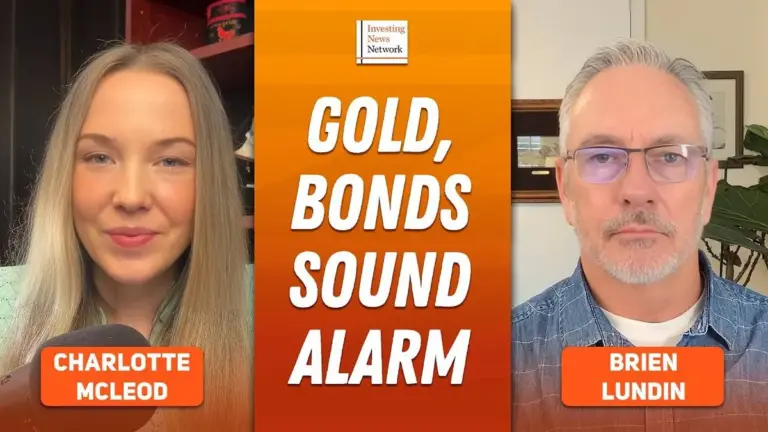
Market analysts are keeping a close eye on an unusual correlation between precious metals and the debt market, with Brien Lundin issuing a cautionary note about current trends. As the editor of Gold Newsletter, Lundin has observed that gold prices have spent the last few months climbing even as real yields in the bond market have risen. Traditionally, these two assets move in opposite directions, making this simultaneous ascent a point of concern for seasoned investors.

Lundin suggests that when gold ignores the typical pressure exerted by rising bond yields, it often signals deeper instability within the broader financial system. While rising prices might seem like a positive indicator for gold holders at first glance, he views this specific divergence as a warning sign rather than a simple rally. This anomaly indicates that buyers may be hedging against systemic risks that outweigh traditional economic metrics.

As investors look toward what comes next, the focus remains on whether this trend will trigger further volatility across global portfolios. By monitoring these shifts in real yields and metal pricing, experts like Lundin hope to anticipate larger macroeconomic pivots before they fully materialize. For now, the message is clear: the disconnect between bonds and gold is providing a glimpse into potential turbulence ahead for the markets.

A father’s legacy is living on through a new artificial intelligence (AI) tool that helps others navigate grief and trauma — two-and-a-half decades after the Sept. 11, 2001, terrorist attacks.

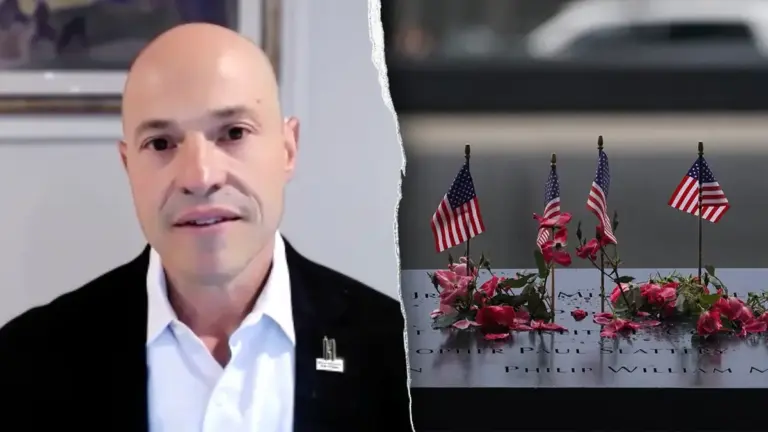
Launched on the 25th anniversary of the horrific attacks on U.S. soil, Doora is a new AI grief companion from Hold the Door, a nonprofit founded in memory of Ronald Fazio Sr., who was killed after helping his coworkers evacuate the South Tower of the World Trade Center.

“We designed Doora to be a bridge for people in the moment when they’re going through a very difficult time so they can have a moment… where they say, ‘Maybe I can get through this. Maybe I can grow from this experience,'” Rob Fazio, Fazio Sr.’s son and founder of Hold the Door, told Fox News Digital.

“The foundation of Doora is built upon our 24 years of experience and research on post-traumatic growth and growth through loss and adversity.”

HAWLEY CHAMPIONS GUARD ACT AS HEARTBROKEN FAMILIES SAY AI CHATBOTS ALLEGEDLY PUSHED TEENS TO SELF-HARM

The 24/7 chatbot, which Fazio described as a “growth guide,” offers voice and text support to help people navigate grief when therapy or support from counselors, friends or family isn’t an option.

In a world increasingly skeptical but reliant on AI tools, a team of lawyers, psychologists and business leaders worked together to create Doora specifically for people who are hesitant to seek help.

“Where we used to have people come to us, we realized that going to people and meeting them where they are physically, emotionally and psychologically gets much better results,” he said.

Every Hold the Door initiative, including the new AI tool launch, is intended to honor his father and his final act of heroism, according to Fazio.

“His natural instinct of putting others first was really the birth of Hold the Door for others,” he recalled of his father. “That’s what me and my family have done for the last 25 years.”

Hold the Door also offers free workshops, grief resources and community programs inspired by the resilience that followed 9/11.

9/11 VICTIM’S IDENTITY EMERGES NEARLY 25 YEARS LATER AFTER DNA BREAKTHROUGH CRACKS MYSTERY

Fazio said grieving without his father’s remains brought unique challenges that he and his family had to work through. At the memorial service, they filled a coffin with treasured belongings that reflected the life his father lived.

“In the absence of a body, sometimes it is hard to grieve,” he said.

That day, Fazio made a promise that would later inspire his nonprofit.

“I’ll never forget, I was in a Catholic Church when we were doing the service, and I said, ‘You know, my dad was a quiet man, but his legacy is going to be damn loud,'” he said.

That promise now lives on through Hold the Door and Doora, which Fazio said is designed to “really walk with users” through grief.

9/11 MUSEUM CEO REFLECTS ON LASTING IMPACT OF TERROR ATTACKS AS AMERICA MARKS 250TH BIRTHDAY

“We really are supportive and at the same time give people a little nudge toward their future while they’re honoring a loved one they lost or some adversity that they faced,” he said.

When grief feels overwhelming, Fazio said Doora can help people keep their pain from defining who they are or what comes next.

“You are who you are, and we can help you develop and create more of who you want to be,” he said.

FIRST ON FOX: Top Senate Republicans are unleashing millions of dollars into Texas to ensure that the GOP holds on to the seat as the midterm elections close in.

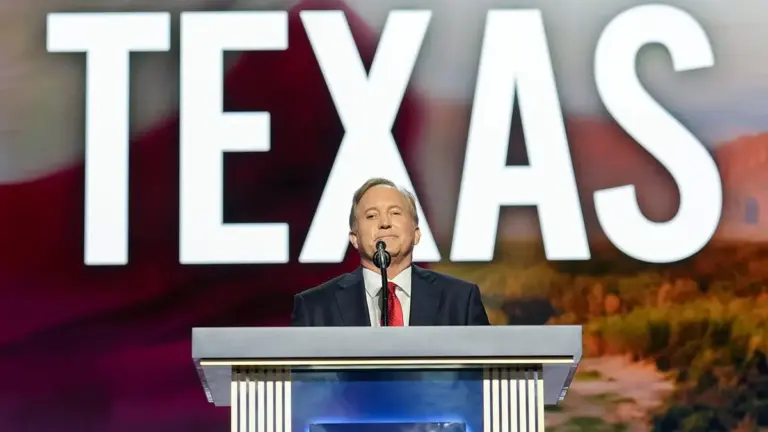
The Senate Leadership Fund, a super PAC tied to Senate Majority Leader John Thune, R-S.D., on Friday announced the launch of the Texas PAC, unlocking a war chest of campaign funds to ensure Texas Attorney General Ken Paxton wins out in November.

Paxton is in a tight race against Texas State Rep. James Talarico, who has become a prime target for Republicans who argue that the state lawmaker is too progressive for deep red Texas.

THUNE-ALIGNED GROUPS UNLEASH HISTORIC WAR CHEST TO DEFEND SENATE MAJORITY: ‘WINNING MESSAGE’

“As the Democrat Party gets pulled further to the left, extreme candidates like James Talarico are becoming the norm,” Thune told Fox News Digital in a statement. “Republicans are united in keeping him out of the U.S. Senate, which is why I’m proud of the work the Senate Leadership Fund is doing to ensure Texas stays red.”

A source familiar told Fox News Digital that during the convention’s final day on Thursday, Thune attended a fundraiser for Paxton to help boost his campaign.

The new PAC will launch an initial eight-figure ad buy on Friday, the day after the GOP’s first ever midterm convention in Dallas concluded. The group tells Fox News Digital they plan to run ads continuously through Election Day in Texas, and the first two will paint Paxton in a positive light, with another showing the contrast between the candidates as it spotlighted the state lawmaker’s past controversial comments and votes.

LONGTIME GOP AIDE DEFECTS TO DEM RISING STAR AS TEXAS SENATE BATTLE FOR CORNYN’S SEAT HEATS UP

While the convention was used to energize President Donald Trump’s base to get out and vote in tight contests across the country, the Texas Senate race was of particular emphasis. And the flow of cash to support Paxton marks a pivot for the Senate Republican leadership, who earlier in the year, threw their full support behind Sen. John Cornyn, R-Texas.

But Trump’s endorsement of Paxton over Cornyn ultimately ended the longtime lawmaker’s bid and set up a messy period of making amends after the dust settled in their runoff race.

Now, Republicans are showing a unified front and working to help Paxton financially as he tries to stave off Talarico.

Most of the latest public opinion surveys in the Senate showdown indicate Talarico with a slight single-digit edge over Paxton. The most recent Fox News poll, which was conducted at the end of July, indicated Talarico with a 51%-48% margin over Paxton.

The race is one of roughly a dozen that will determine if the GOP holds its Senate majority in the midterms.

The launch of the Texas PAC comes a week after MAGA, Inc., the super PAC linked to President Donald Trump, made its first major midterm buy with $10 million in ad spending to support Paxton.

REPUBLICAN SOUNDS ALARM ON RISING DEM STAR: ‘THIS GUY’S GOING TO BE A PROBLEM’

The support from the Texas PAC and MAGA Inc. is a boost for Paxton, with Talarico’s campaign holding a massive campaign cash advantage over Paxton’s campaign heading into the final stretch leading up to November’s midterms. Talarico has hauled in over $72 million in fundraising since launching his Senate campaign last year, compared to roughly $17 million by Paxton, according to federal filings.

Paxton told Fox News’ Bret Baier he had a “three-month fundraising difference” compared to Talarico thanks to the messy primary battle that dragged into May, months after the insurgent progressive toppled Rep. Jasmine Crockett, D-Texas.

“Talarico had three extra months to raise money and not spend it. So he was able to start spending on ads that tried to pivot him from a radical socialist to a moderate Democrat,” Paxton said.

“So he’s been running ads for about two months,” he continued. “My ads have just started. We had to raise some money. But once we’re able to highlight the stark differences between a socialist and a constitutional Republican, he will not win Texas.”

This post appeared first on https://www.foxnews.com