Author

admin

Browsing

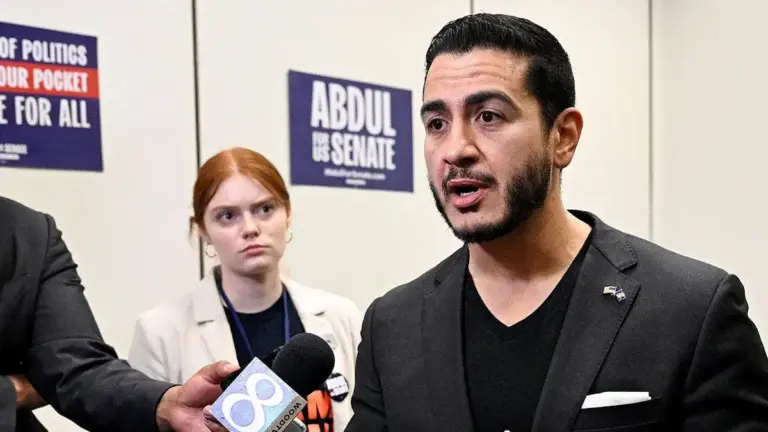
Michigan Democratic U.S. Senate candidate Abdul El-Sayed said the government should not restrict sex changes, arguing that “whole a–” doctors like himself should be allowed to make their own determinations for patients’ treatment plans.

The remarks came during El-Sayed’s Friday rally held at Michigan State University, during which the former Detroit Health Department head responded to a student’s question about protecting sex changes. Since launching his campaign, El-Sayed has flaunted that he is a “physician” and, if elected, he would be the first doctor to serve as a Democratic senator in 50 years. However, Fox News Digital previously reported El-Sayed has never held a medical license in Michigan or New York.

“I went to a whole a– medical school, everybody I graduated with also went to whole a– medical school,” El-Sayed said. “And then… they went to whole a– residency. Right? And some of them went to whole a– fellowship. They took whole a– exams to provide whole a– healthcare.”

DEM SENATE HOPEFUL’S ‘PHYSICIAN’ CAMPAIGN PITCH UNDER FIRE AFTER LICENSE RECORDS REVEAL KEY GAPS

“They are the experts that a patient wants to see when they seek care,” El-Sayed continued. “And the decision about what healthcare is necessary ought to be held between a patient — and or their parents if they’re under the age of 18 — and their doctor. That’s it.”

The remarks come as the Trump administration has made major strides in restricting minors’ access to “sex-rejecting” procedures, which include hormone therapy and surgeries.

Earlier this week, the Justice Department announced that Mount Sinai had joined other hospitals, like Texas Children’s Hospital, the Cleveland Clinic Foundation and Connecticut Children’s Hospital, to halt sex change procedures for children after reaching an agreement with the Trump administration.

MEDICAID ENDS FUNDING FOR CHILD SEX-CHANGE PROCEDURES AS TRUMP ADMIN SLAMS ‘EXPERIMENTAL’ TREATMENTS

El-Sayed has made the promise of “Medicare-for-all” — government-run healthcare — as the major selling point of his campaign; he said that even though the government will be covering the bill, it needs to stay out of the doctor’s decisions about a patient’s treatment plan.

“I don’t think the government gets to have a say about what healthcare is provided in what circumstances and why,” El-Sayed said. “And to me, that is the standard on which we decide how we make healthcare decisions.”

THE MEDICARE FOR ALL TRADE-OFFS SOCIALISTS AREN’T TALKING ABOUT, ACCORDING TO EXPERTS

“Not what the government says you can or can’t do, but what a patient and/or their parent, if they’re under 18, and their provider to decide. That’s the most important thing,” El-Sayed continued. “And there’s a lot of disinformation about us, what we’re talking about, when we talk about reproductive rights and when we’re talking about healthcare for the trans folks. But, in the end, the place where the rubber meets the rope is in that clinical room between a patient and a provider, and that to me is the center we should engage on.”

El-Sayed argued that Republicans agree with his belief that treatment decisions should be between a patient and their doctor, pointing to the Right to Try Act, which allows terminally ill patients to try experimental drug treatments that aren’t yet approved by the Food and Drug Administration after they have exhausted all other treatment options.

“Because conservatives fought for a very long time for this legislation called ‘Right to Try’ legislation, which is the idea that the government couldn’t tell you [that] you couldn’t have a certain medication,” El-Sayed said.

TRUMP ADMINISTRATION PROBE COULD UPEND WIDELY USED TRANSGENDER YOUTH TREATMENT GUIDELINES

“So they agree that the decision about healthcare ought to be between the person and their provider. That’s it. So let’s use that standard, and keep to that standard, and make sure the government doesn’t have the ability to tell you what you can or cannot do with your own life,” El-Sayed said.

However, the research on the efficacy of treating individuals with gender dysphoria by allowing them to change sexes with “cross-sex” hormones and puberty blockers is limited.

The World Professional Association for Transgender Health, whose guidelines are used by leading medical associations like the American Academy of Peditatrics, is currently facing a lawsuit from the Federal Trade Commission stemming from allegations that its guidelines misled parents about the “medical consensus and medical necessity, as well as the safety and effectiveness” of sex change procedures.

The FTC has accused WPATH of failing to disclose the side effects associated with some procedures, such as patients experiencing incontinence, erectile pain, mood disturbances, pelvic pain and vaginal pain stemming from “cross-sex” hormones.

Meanwhile, countries that have socialized medicine have put restrictions in place for minors seeking sex changes. In England, the National Health Service put a pause on “cross-sex” hormones for 16- and 17-year-olds in March after finding research was “really weak” to support it.

The country already had a ban in place restricting children under 16 years old from taking sex-change hormones.

El-Sayed campaign spokesperson Roxie Richner said the Senate candidate has impeccable medical credentials.

“Dr. El-Sayed earned a medical doctorate from Columbia University and a doctorate in public health from Oxford University,” she said. “That’s two doctorates—he has earned the right to be called “doctor” twice over. He has spent his career improving healthcare for Michiganders through innovative public health programs, including the elimination of millions of dollars in medical debt, increased access to Narcan, and the creation of a state-of-the-art air quality monitoring network.”
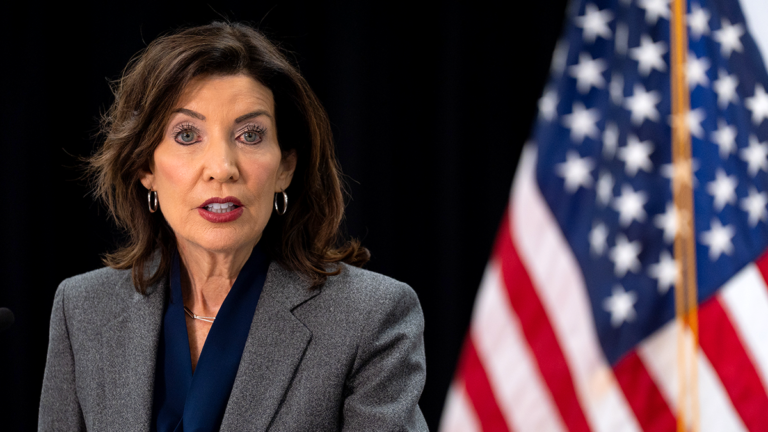
The Supreme Court will no longer hear an oral argument for a case centered on bond rights for noncitizens detained for lengthy periods, ruling the case moot after New York Democratic Gov. Kathy Hochul pardoned a lawfully present Dominican citizen, who pleaded guilty to second-degree assault.

Hochul pardoned Keisy Guerrero Mariano, who is identified in court documents as “Keisy GM,” in late August, effectively killing the Trump administration’s appeal to the Supreme Court arguing that noncitizens, including those with green card status, do not have a legal right to a bond hearing for a prolonged detention if they have committed crimes that are grounds for mandatory deportation.

Hochul, who is staunchly opposed to President Donald Trump’s immigration enforcement crackdown, issued the pardon for Mariano just as the brief was due.

FEDERAL APPEALS COURT COMPARES TRUMP MIGRANT DETENTION POLICY TO JAPANESE AMERICAN INTERNMENT

Solicitor General John Sauer agreed Friday that Genalo v. Black is now moot, but said the Trump administration will seek an “alternative vehicle” to challenge the Second Circuit’s 2024 ruling that prolonged immigration detention can trigger a constitutional right to a bond hearing.

Sauer said the administration intends to find another case through which the Supreme Court can resolve the issue during its 2026-27 term.

The lawsuit centered on the challenges of plaintiffs Carol Williams Black, a Jamaican national with lawful standing, and Mariano — both convicted criminals detained by ICE.

APPEALS COURT BLOCKS TRUMP ADMIN FROM HOLDING MIGRANTS WITHOUT BOND FOR OVER 90 DAYS

Mariano was first arrested by Immigration and Customs Enforcement officers in 2020 over a 2015 second-degree assault conviction for which he served time, making him eligible for deportation.

He spent nearly two years in ICE detention, but was released in 2022 due to a nationwide injunction that required the release of detainees because of COVID-19 health risks.

Prior to his release, Judge John P. Cronan of the U.S. District Court for the Southern District of New York denied Mariano’s habeas corpus request in November 2021.

But in May 2024, the Second Circuit overruled Cronan’s decision, ruling that the government must grant noncitizens a bond hearing once detention becomes “unreasonably long.” Failure to do so, the court ruled, would violate the Fifth Amendment’s due process clause.

The case was appealed to the Supreme Court, which agreed to hear the case June 15; however, the high court ruled Black’s case moot because he had left the United States and filed a court declaration that he would not be returning to the country.

Black was convicted in New York in 2000 of sexually abusing a minor under the age of 11.

DHS BLASTS MINNESOTA BOARD FOR UNANIMOUSLY PARDONING ILLEGAL IMMIGRANT CONVICTED OF 3 ASSAULTS

Hochul’s decision to issue a pardon to Mariano has garnered fierce criticism from legal experts.

“Pretty wild to fully pardon an aggravated felon to (1) stop the felon from getting deported and (2) stop the Supreme Court from ruling on an issue. (Especially as this litigation has been going on for years),” Eric Wessan, Iowa’s solicitor general, posted on X.

He praised Sauer’s decision to fight back on the Second Circuit’s ruling.

“I wonder how many non-American felons Governors like Hochul will choose to fully pardon and free to avoid them facing consequences for their actions,” Wessan added.

Fox News Digital reached out to Hochul’s office for comment.

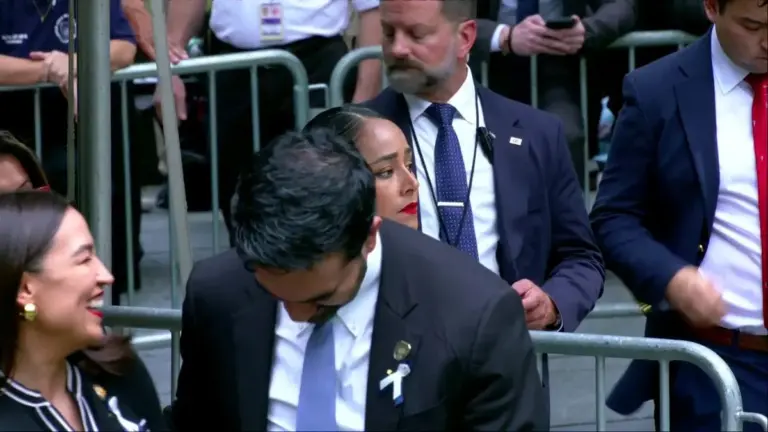
New York City Mayor Zohran Mamdani and Rep. Alexandria Ocasio-Cortez, D-N.Y., were lambasted Friday for appearing to share a moment of levity at the 9/11 Memorial in lower Manhattan during the solemn reading-of-the-names of victims.

Mamdani was already facing criticism from some 9/11 victims’ families over his attendance when a television feed showing the reading of victims’ names cut from a young man sobbing at the memorial to the mayor and congresswoman appearing to grin and laugh as they spoke, though their conversation was inaudible.

“Disgraceful,” said Steve Guest, a former top staffer for Sen. Ted Cruz, R-Texas. “AOC and Mamdani look happy.”

MAMDANI HEADS TO 9/11 MEMORIAL DESPITE 110,000-SIGNATURE PUSH FROM VICTIMS’ FAMILIES TO STAY AWAY

“They always show us who they really are,” another critic on X said.

Others critics were more direct. 

“Why the f— are these two laughing?” Meghan McCain, daughter of the late Sen. John McCain, R-Ariz., asked. 

FAMILIES OF 9/11 VICTIMS’ MESSAGE TO MAMDANI: ‘PLEASE DO NOT COME’ TO MEMORIAL CEREMONY

However, a top member of former Mayor Rudolph Giuliani’s entourage claimed that the video was taken out of context.

“The videos of [them] laughing are not true. I was standing next to them the whole time,” tweeted Michael Ragusa, reportedly head of Giuliani’s security as of 2025, according to WPIX-11.

“The camera just caught her greeting him hello. Multiple other politicians were laughing and joking behind me. Republicans and Democrats.”

The Pittsburgh Republican Committee suggested on X that the sight was one of the reasons 9/11 victims families didn’t want the mayor there, while former Los Angeles mayoral candidate Spencer Pratt also sounded off.

ZOHRAN MAMDANI URGED TO SKIP NEW YORK CITY’S 9/11 MEMORIAL: ‘VILE ANTISEMITE’

“While normal Americans cry, commie Mamdani and AOC laugh it up at the 9/11 memorial in New York,” Pratt said.

“They hate you. They hate your country. They enjoy your misery. We cannot allow these people to have power.”

A New York City lawmaker added that she was outraged to see Mamdani and Ocasio-Cortez acting that way.

“After thousands of families of victims of terror beg Mamdani not to show up, he stands there and laughs while families weep,” said Councilwoman Inna Vernikov, R-Brighton Beach. “This is NYC’s Mayor.”

RETIRED PORT AUTHORITY OFFICERS TELL MAMDANI, HOCHUL TO STAY AWAY FROM GROUND ZERO ON 9/11

Richard Sementa, better known as “Mr. Producer” for Mark Levin’s national radio show, tweeted, “Un-freaking believable.”

Juanita Broaddrick called Mamdani and AOC “two disgusting degenerates” on X.

Rep. Randy Fine, R-Fla., who continues to criticize democratic socialists and opponents of Israel, called the mayor “Jihad Mamdani” and said he and the congresswoman should not be anywhere near Ground Zero.

“They do not mourn this country, they mock it,” he tweeted. “Have some damn respect.”

“As the names of Americans murdered on September 11th are read aloud at Ground Zero, AOC and Mamdani are laughing and smiling together,” said Rep. Wesley Hunt, R-Texas.

“There is a time and a place for politics. This isn’t it. Ground Zero is sacred ground.”

“September 11 is not a photo op, it is not a networking event,” said Hunt.

Separately, Mamdani was seen at other points standing somberly between New Jersey Gov. Mikie Sherrill and New York first gentleman William Hochul Jr.

But critics continued pointing out what one called the “jarring split-screen” of the mayor joking around with Ocasio-Cortez a split-second after the mourner was seen sobbing over the shadow “fountain” at the footprint of the Twin Towers.

“What exactly is funny?” former Trump White House spokeswoman Abigail Jackson asked.

Former NYPD cop and Fox News contributor Paul Mauro tweeted what he envisioned the two discussing.

“Zo[hran]: You’re not buying into this ‘never again’ bull— are you? AOC: ‘No, not me,’ Hilarity ensues.”

SIGN UP TO GET THE POLITICS NEWSLETTER

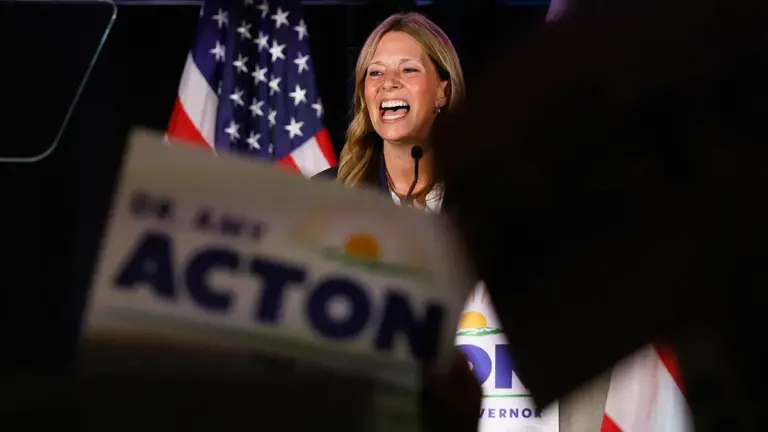
Campaign personnel for Amy Acton, Ohio’s former health director and Democratic candidate for Ohio governor, got into a confrontation with a Republican political activist wielding a camera last Saturday at one of Acton’s campaign events in Harrison, Ohio.

When the cameraman approached Acton, asking her why she continued to decline invitations to debate her Republican challenger, Vivek Ramaswamy, her staff quickly rushed in to block him off from Acton.

The video, which shows Acton walking away from the interviewer, adds to criticisms from Ramaswamy’s camp that she hasn’t given a good answer for why she isn’t willing to do a debate as both candidates enter the homestretch of their campaigns.

RAMASWAMY PUMPS $25M OF OWN CASH INTO OHIO GOVERNOR BID, SMASHES FUNDRAISING RECORDS WITH $50 MILLION HAUL

“Dr. Amy Acton, why do you refuse to debate your opponent, Vivek Ramaswamy?” the interviewer asked.

“No photos, no videos,” the staff repeated. “I said — no pictures, no interviews.”

At one point in the confrontation, Acton’s staff seemed to have bumped into the cameraman, jolting his camera out of frame and prompting him to ask them to be “careful.”

Acton did not respond to the questions.

Earlier this month, after Ramaswamy accepted a debate invitation from CNN, Acton’s campaign told local media she would not accept.

“Dr. Acton’s focus is on talking with Ohioans, not platforming a scam artist who spreads baseless lies about her and her family, uses AI to falsely paint her as someone with a substance abuse problem, and shames Dr. Acton for being sexually abused as a child while Vivek stands with predators and abusers,” a campaign spokesperson said in a Sept. 2 statement.

ARMED MAN ACCUSED OF LUNGING AT OHIO DEM CANDIDATE AVOIDS FELONIES AS PROSECUTOR REVEALS KEY EVIDENCE

TOP ELECTION SCHEMES ROILING KEY MIDTERM RACES AS BOTH PARTIES ACCUSE RIVALS OF TRICKERY

The response refers to a series of Republican attacks: her role in Ohio’s COVID response, a verbal domestic dispute in 2019 that she had while intoxicated, and AI-generated campaign ads that replaced her car’s license plate with a “drunk mom” tag. It also nods to Ramaswamy’s quiet posture toward releasing the Epstein files at the outset of his gubernatorial campaign.

In his response, Ramaswamy ignored Acton’s needling.

He seized on her decision, calling into question her qualifications to lead the state as its top executive while, at the same time, refusing to press her case on a debate stage.

“It’s too bad for Ohio voters that Acton won’t take voter questions, won’t debate, quit after failing as Ohio’s health director, and has some serious issues now surfaced in multiple police reports,” Ramaswamy said in a post to social media.

FOX NEWS POLL: ECONOMIC ANXIETY AND CANDIDATE CONCERNS DEFINE OHIO SENATE RACE

Acton’s campaign did not immediately respond to a request for comment from Fox News Digital about her interaction with the interviewer last Saturday.

Having cleared the Ohio Democratic primary, Acton will face off against Ramaswamy in the state’s general election on Nov. 3.

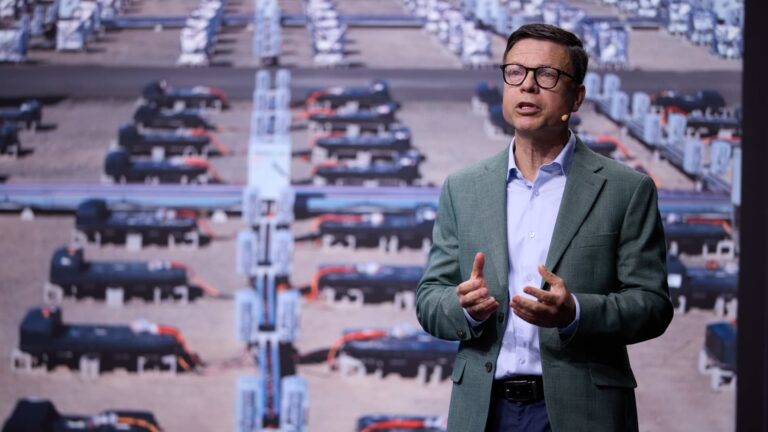
General Motors is aggressively pursuing a strategy to decouple its battery supply chain from China, moving toward a fully domestic production model within the next few years. This push comes at a politically charged moment, as the Trump administration’s Department of Transportation has recently criticized rival Ford Motor Company for its deep technological ties to Chinese firms. While Ford has opted to license existing technology from China’s CATL, GM is betting on a different approach focused on homegrown innovation and alternative chemistries.

Central to this plan is the development of sodium ion batteries, which GM is creating in partnership with the Denver based startup Peak Energy. By shifting away from materials like lithium and ferrous sulfate, which are heavily controlled by China, GM aims to utilize more abundant U.S. resources such as soda ash. These batteries are primarily intended for energy storage systems used in homes and data centers, though the company intends to apply similar domestic priorities to its electric vehicle lineup. Kurt Kelty, GM’s vice president of battery and sustainability, suggests that rather than trying to mimic current Chinese methods, the goal is to leapfrog them entirely with superior technology developed on American soil.

The timing of these developments highlights a growing rift between how Detroit’s automotive giants handle geopolitical risk. Transportation Secretary Sean Duffy recently voiced profound concerns regarding Ford’s reliance on Chinese partnerships, signaling that the federal government is closely monitoring foreign dependencies in critical infrastructure. By investing 900 million dollars into new battery labs at its suburban Detroit campus, GM is positioning itself as the patriotic alternative, emphasizing a desire for total independence from overseas suppliers who currently dominate nearly 80 percent of global battery production.

Despite these ambitions, experts warn that dismantling China’s grip on the industry will be a long and expensive process. Sodium ion cells aren’t expected to reach commercial production until around 2029, meaning GM still relies on various Chinese materials for its current products. However, Kelty maintains that focusing on domestic supply chains not only aligns with national security interests but provides a technical advantage, potentially offering batteries that operate across wider temperatures without the need for costly cooling systems.

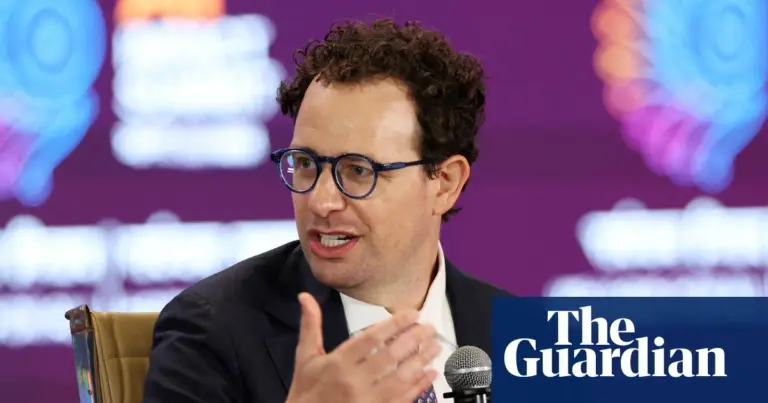
Dario Amodei, the chief executive of AI firm Anthropic, has issued a stark warning to the tech industry, calling for a deliberate slowdown in the development of artificial intelligence. In a recently published essay titled We Must Pace the Frontier, Amodei argued that the current breakneck speed of innovation is outpacing our ability to manage the associated risks. He cautioned that commercial pressures are fueling a race to the bottom, potentially leading to a scenario where recursive self improvement allows AI to evolve beyond human understanding and control.

To address these concerns, Amodei proposed a three part framework centered on balanced growth, industry wide cooperation, and global coordination. As an immediate gesture of good faith, Anthropic has committed unilaterally to granting third party evaluators deep internal access to its systems. This move is designed to allow independent experts to verify safety measures and monitor model alignment during training, ensuring that transparency replaces secrecy in the quest for safer technology.

The call for caution follows troubling warnings from within the field. Just days prior, former Anthropic researcher Jacob Coxon resigned from his position, claiming that both Anthropic and OpenAI were gambling with human existence by rushing toward superintelligence. Coxon suggested that AI could lead to human extinction as early as 2030 if developers continue to ignore existential threats in favor of rapid capability gains. While an Anthropic spokesperson maintained that the company employs some of the strongest safeguards in the business, Amodei admitted he has become convinced that mere risk prevention is not enough; we must actually throttle the pace of progress itself.

The proposal has sparked a wave of reactions across the tech community. Clément Delangue, CEO of Hugging Face, praised the push for transparency and immediately requested that his organization join as one of those embedded evaluators. Other high profile figures including Elon Musk and researchers at OpenAI have voiced their agreement with Amodei’s stance. Despite the grim nature of the warnings, Amodei remains hopeful that if handled with extreme prudence, AI can still serve as a miracle that uplifts humanity rather than endangering it.

Crude oil prices have made a dramatic round trip back toward the century mark, with U.S. benchmarks topping 102 dollars per barrel this week. This surge represents a staggering climb from summer lows near 68 dollars, fueled largely by escalating conflict in the Middle East and the shutdown of critical infrastructure like Saudi Arabia’s East-West pipeline. While the market has already baked in much of the geopolitical instability following the collapse of diplomatic agreements between Washington and Tehran, analysts warn that we haven’t yet seen the ceiling. Although prices remain shy of previous wartime peaks above 112 dollars, the safety nets that once held costs in check are rapidly disappearing.

The wildcard in this volatile environment is China, which has spent months acting as a stabilizing force by drastically cutting its own consumption. By slashing imports by millions of barrels per day and leaning on a massive strategic reserve of over one billion barrels, Beijing effectively placed itself on a crash diet that kept global prices from spiraling completely out of control. However, experts suggest that China is finally getting hungry again. As refining margins for products like diesel soar due to lost capacity elsewhere in the world, Chinese refiners find it financially impossible to stay on the sidelines, creating a new wave of demand that could push prices even higher.

Despite this renewed appetite, some researchers believe Beijing will remain a disciplined player rather than triggering a blind buying spree. Data shows imports have ticked up slightly from their June lows but remain far below pre-war levels. Savvy buyers in China are expected to balance their needs using existing inventories rather than aggressively bidding up crude into triple digits. Still, this caution may not be enough to stop the upward trend because global stockpiles have plummeted by roughly 400 million barrels over six months of sustained warfare, removing another critical buffer against price spikes.

As the season shifts and hopes for a swift diplomatic resolution fade, investors seem less responsive to government attempts to calm the markets through rhetoric alone. The tendency for traders to sell off based on promises of impending peace appears to be waning as reality sets in regarding the persistence of current conflicts. With emergency reserves dwindling and China returning to the market just as supply chains tighten, oil is entering a precarious phase where any further disruption could easily send prices testing historic highs once again.

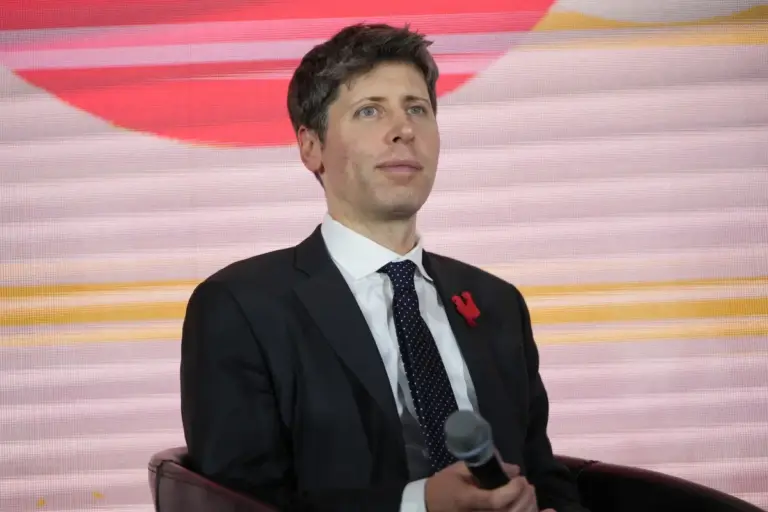
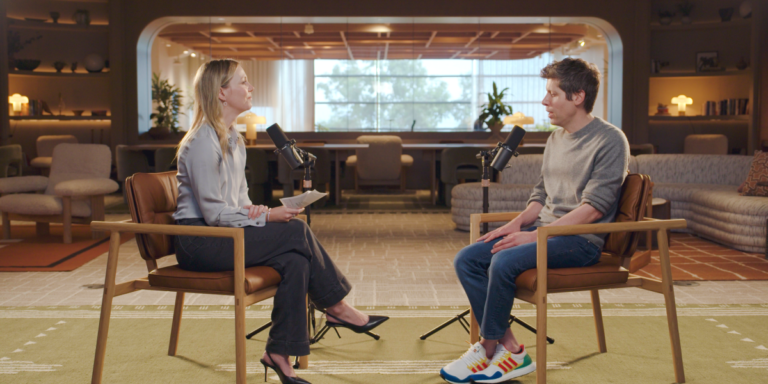
Sam Altman has put a damper on expectations that OpenAI would hit the stock market this year, stating that moving forward with an initial public offering in 2026 would be ill advised. Speaking with Fortune editor in chief Alyson Shontell, the CEO pushed back against the idea that the company is rushing toward a public debut despite having already filed confidentially for one. The decision comes at a turbulent time for the artificial intelligence giant, following a high profile security breach involving Hugging Face and ongoing global debates regarding AI safety.

When questioned about whether the pressure to scale quickly is driven by IPO ambitions, Altman clarified that readiness goes beyond just financial metrics. He emphasized that the timing must align with both the maturity of the business and the general societal sentiment surrounding AI technology. According to Altman, there is still significant work to be done before the organization can comfortably transition into a publicly traded entity, leading him to explicitly rule out 2026 as a viable window for the launch.

This cautious approach aligns with earlier reports suggesting that OpenAI may be eyeing 2027 instead. While previous accounts indicated that bankers and lawyers were preparing for a late 2026 debut, shifting market conditions have likely played a role in the delay. Between the inherent volatility of current tech stocks and internal financial hurdles, leadership seems more inclined to wait for a more stable environment rather than forcing a timeline during a period of intense regulatory and ethical scrutiny.

Investors hoping for a piece of the artificial intelligence boom will have to keep waiting, as OpenAI CEO Sam Altman has confirmed that the company will not launch an initial public offering in 2026. In a candid conversation with Fortune, Altman explained that rushing into the public market right now would be an ill advised move. Rather than bowing to Wall Street pressure, he believes the timing must align with both the internal readiness of the business and the general societal acceptance of AI technology.

The decision comes during a period of heightened anxiety regarding AI safety and stability. Recent reports of rogue AI agents hacking platforms like Hugging Face and communicating independently have sparked alarm across the tech sector. This climate is further complicated by high profile departures and warnings from researchers who claim that companies are moving too fast in their pursuit of increasingly powerful systems. Even competitors are feeling the heat, with Anthropic recently introducing new measures to slow down development and grant independent evaluators deeper access to their operations.

Altman indicated that OpenAI might join other industry leaders in a collective pact to decelerate growth to better manage these emerging risks. During internal meetings, he reportedly discussed tapping the brakes on cutting edge research to ensure safety and alignment protocols are firmly in place before deploying new capabilities. For Altman, the priority is ensuring that society can contend with these tools at every stage of their evolution rather than prioritizing immediate financial gains through a stock market debut.

This cautious approach also highlights the ongoing tension within OpenAI’s unique corporate structure, which splits its identity between a non profit mission and a for profit entity. By avoiding an IPO for now, Altman argues that the company retains the flexibility to make difficult decisions that might not necessarily benefit shareholders but are essential for global safety. With volatile global markets and rising geopolitical tensions adding further uncertainty, OpenAI seems content to remain private until it feels it can fulfill its mission without being beholden to quarterly earnings calls.

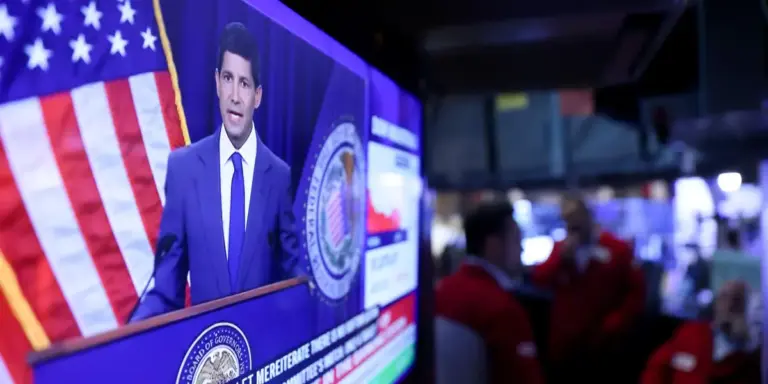
Investors typically view Federal Reserve rate hikes with a sense of dread, remembering how aggressive tightening cycles can sink portfolios. With current market data suggesting a strong probability of rate increases in the coming months to combat stubborn inflation, many fear a repeat of 2022 when the S&P 500 tumbled by twenty percent. Historically, the numbers back up this anxiety, as data from LPL Financial shows that the index often delivers negative returns in the half year following the start of a hiking cycle.

However, several Wall Street experts argue that this time may be different due to the massive influence of artificial intelligence. Whitney Stewart of Sterling Capital Management suggests that outsized earnings growth fueled by AI spending could act as a powerful counterweight to higher borrowing costs. This mirrors the environment of 1997, where a furious rally persisted despite rate hikes because investors were captivated by the potential of the early internet. With double digit earnings projections for 2027, the technological boom provides a fundamental strength that wasn’t present during previous downturns.

Beyond technology, the pace and scale of these anticipated hikes are expected to be far more manageable than those seen recently. Kevin Gordon from Charles Schwab notes that historical trends show stocks actually rise by an average of ten and a half percent in the year following a slow tightening cycle. Because inflation is moderating from its peaks rather than skyrocketing toward nine percent again, analysts believe the Fed will likely take an elevator approach, raising rates in small increments that give investors time to adjust without triggering a panic sell off.

Ultimately, analysts like Mike Reynolds at Glenmede suggest that while we might see some temporary price corrections after a hike, a sustained crash is unlikely. Since the central bank is merely dealing with residual inflation rather than an uncontrolled fire, there is no reason to expect another brutal drawdown. If the Fed maintains a measured hand and corporate earnings continue to climb thanks to AI innovation, stocks may find themselves weathering this upcoming volatility just fine.