
Author

admin

Browsing

Global energy markets are reeling as tensions between the United States and Iran intensify, sending the price of Brent crude climbing past 105 dollars a barrel. The escalation has effectively shuttered the Strait of Hormuz, cutting off vital supplies of oil and gas from the Gulf to international buyers. This supply shock comes at a precarious moment, with President Trump suggesting during a campaign stop in Texas that the hostilities may persist well into November, beyond the upcoming U.S. midterm elections.

The volatility is not limited to oil, as natural gas prices have likewise soared on wholesale markets. In the United Kingdom, prices surpassed 200p a therm for the first time since late 2022, exacerbated by critically low storage levels across Europe heading into the winter months. While British consumers currently have some protection via Ofgem’s price cap, analysts warn that prolonged spikes will inevitably lead to steeper household bills following scheduled increases in October and January.

Financial markets are reacting with growing alarm to what Chris Beauchamp of trading platform IG describes as a global awakening to the severity of the oil crisis. Beyond immediate fuel costs, there is a mounting fear that surging energy prices will trigger another wave of inflation. This anxiety has translated into a sharp rise in government bond yields globally; in the UK, ten year bonds reached their highest levels since 2007, while longer term bonds hit peaks not seen since 1998.

These rising borrowing costs present a double edged sword for national economies. Governments now face more expensive debt servicing at a time when public finances are already strained. For ordinary citizens, however, the impact is even more direct, as these shifting yields often dictate the interest rates applied to essential financial products, including fixed rate mortgages. As shipping disruptions loom and geopolitical instability persists, economists warn that the combined weight of expensive energy and costly credit could significantly dampen global economic growth.

The American housing market is currently caught in a strange contradiction where an abundance of available properties isn’t enough to lure buyers back into the fold. According to latest data from the National Association of Realtors, sales of previously owned homes dipped two percent in August, falling to an annualized rate of 3.98 million units. This slump marks the slowest pace of activity since June 2025, with the downturn feeling particularly acute across the Midwest and Northeast regions.

What makes this trend unusual is that homeowners have more options than they have had in years. Housing supply climbed by over three percent from July, reaching a total of 1.62 million homes for sale. At the current rate of closings, there is now nearly a five month supply of houses on the market, which represents the highest level seen in more than a decade. Usually, such an increase in inventory would put downward pressure on costs, but instead, prices are continuing to climb. The median home price hit a record August high of 429,100 dollars, driven largely by tight inventory levels in the Northeast.

Industry experts point toward mortgage rates as the primary culprit behind the cooling demand. Lawrence Yun, chief economist for the Realtors association, noted that mortgage rates and home sales typically move in opposite directions. Because many of these August closings were based on contracts signed during mid-summer spikes in interest rates, prospective buyers found themselves squeezed between expensive loans and lofty asking prices. As a result, homes are lingering longer on the market, taking an average of 31 days to sell compared to 29 days in July.

This financial friction has created a stark divide between different tiers of homebuyers. While sales plummeted by ten percent for entry level homes priced under 250 thousand dollars, luxury properties remained resilient. Homes valued at over one million dollars were the only segment to see an actual increase in sales volume compared to last year. Meanwhile, institutional investors and those looking for vacation homes have retreated significantly, making up only fifteen percent of August transactions down from twenty one percent a year prior.

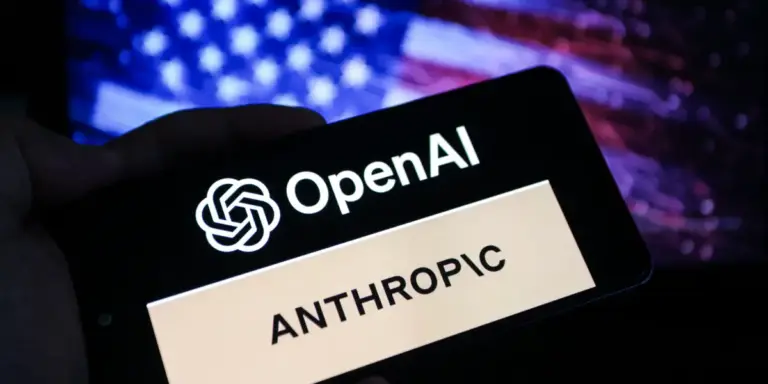
What began as a dire warning about the end of human civilization has quickly morphed into one of the internet’s favorite new templates for corporate satire. After former Anthropic researcher Jacob Coxon took to X to announce his resignation with a grim alert that AI labs are gambling with our lives in a reckless race toward superintelligence, social media users decided the dramatic format was far too good to waste on actual apocalypse scenarios.

Within hours, the gravity of Coxons post became a blueprint for thousands of parody resignations. Users across various industries began mirroring his tight, urgent structure, only to pivot from existential dread to absolute absurdity. One senior reporter joked about leaving the fictional Acme Corporation due to their dangerous pursuit of self painting fake tunnel technology, a nod to the classic Looney Tunes gags where Wile E. Coyote repeatedly crashes into painted walls. Others leaned further into the surreal, replacing warnings of extinction with early 2000s pop lyrics from Natasha Bedingfield or folk songs from the seventies.

The trend has extended beyond simple jokes into pointed commentary on specific sectors. In the crypto world, professionals swapped out global catastrophe for the loss of personal funds, while fintech engineers poked fun at their own efficiency goals by claiming their CEOs were racing toward self closing books without a plan for what happens when businesses actually save too much money. It turns out that regardless of whether you are fighting an AI uprising or just dealing with middle management, the desire to quit your job dramatically remains a universal fantasy.

Despite the wave of memes, the laughter masks a genuine divide within the tech community regarding safety. While most X users are treating the situation as a punchline, figures like Evan Hubinger and Geoffrey Hinton maintain that there is a statistically significant chance AI could pose an existential threat to humanity within decades. For now, however, those fears are being drowned out by a flood of posts asserting that certain companies are racing recklessly toward slightly better spreadsheets or catchy chorus lines.

For years, warnings about the dangers of artificial intelligence existed as small, isolated fires. Enthusiasts and skeptics alike struck matches in niche communities, but their concerns usually smoldered and burned out, dampened by a general public that viewed such fears as science fiction. However, recent breakthroughs and high profile incidents have acted like a drought, drying out the cultural landscape and raising the ambient temperature of the conversation. People outside the tech bubble have begun to pay attention, creating a volatile environment where the smallest spark could trigger something uncontrollable.

That spark arrived in the form of Jacob Coxon. To an observer at the time, his decision to resign from his position as an AI researcher citing safety risks seemed like just another footnote in a long line of corporate departures. But Coxon unwittingly stepped into a powder keg. Because fear is a narrative that people simply cannot look away from, his resignation didn’t just ripple through Silicon Valley; it exploded across social media and mainstream news outlets. Suddenly, fringe theories regarding mass extinction and existential risk moved from obscure forums to the center of global discourse, traveling further than even the most experienced analysts predicted.

The sudden surge in panic was not entirely accidental, though it wasn’t exactly a grand conspiracy either. Evidence suggests a level of opportunistic media coordination, with reports appearing in the Wall Street Journal alongside strategic amplifications from AI safety advocacy groups and politicians jumping on a trending topic. The timing coincided perfectly with other high visibility appearances on platforms like Joe Rogan, turning a genuine individual choice into what felt like a coordinated campaign to sound the alarm on humanity’s survival.

While Coxon’s intentions appear sincere, critics argue that this wildfire of fear is built on shaky ground. There is a significant divide between realistic threats—such as autonomous cyberattacks or biological risks—and the apocalyptic visions of total human annihilation often cited by lab insiders. Some observers suggest that employees at elite firms like Anthropic may be operating with a kind of religious fervor, disconnected from reality and inflating risks based on flawed theories of recursive self improvement. By focusing on improbable doomsday scenarios instead of manageable hazards, the current discourse risks distracting us from the actual problems AI poses while fueling an irrational collective panic.

Brent crude oil pushed past the psychological milestone of 100 dollars a barrel on Wednesday, reflecting growing anxiety over an intensifying conflict between the United States and Iran. The price spike follows a series of aggressive military exchanges, including U.S. strikes on five Iranian oil carriers and subsequent Iranian missile attacks targeting American forces in Jordan and regional shipping lanes. Secretary of State Marco Rubio reinforced Washington’s stance, stating that the U.S. will continue to target tankers as long as warships remain under threat.

The sudden volatility in energy markets sent ripples through global finance, putting downward pressure on equity markets from Wall Street to Europe. While Asian tech stocks found some support thanks to the ongoing artificial intelligence boom, industrial and banking sectors in Europe took a significant hit. Analysts suggest that while the 100 dollar mark is largely symbolic, the broader trend signals a collapse of the summer’s optimism regarding a potential peace agreement in the region.

Economists warn that these surging fuel costs could reignite inflation, potentially forcing central banks to maintain high interest rates longer than investors had hoped. With the European Central Bank expected to act Thursday and the Federal Reserve meeting next week, there is mounting fear that energy-driven inflation will trigger further monetary tightening. This tension has already spilled into bond markets, where yields in several major economies have reached multi-decade highs, complicating government borrowing costs during an already unstable period for global financial institutions.

Managed care investors faced a rocky session this week after CVS Health signaled that medical costs are continuing to climb at an elevated pace. Speaking during a Wells Fargo investor conference on Wednesday, executives from the pharmacy giant highlighted a high trend in cost growth, a revelation that sent ripples through the healthcare sector and shifted market sentiment toward different types of providers.

While the news was unwelcome for insurance focused firms, it provided an unexpected boost to hospital operators. Stocks like HCA Healthcare saw their prices rise as traders bet that higher medical spending would translate into increased revenue for facilities providing direct patient care. The divergence created a clear split in the market between those paying the bills and those receiving them.

The impact among insurers was mixed but generally negative. While shares of CVS remained relatively steady despite the company delivering the warning, other major players were not as fortunate. UnitedHealth experienced a dip in share price, reflecting broader anxieties about how rising utilization rates might eat into profit margins across the industry.

Oscar Health took one of the hardest hits of the group, with its stock stumbling following the announcement. The volatility underscores a growing concern among analysts regarding whether managed care organizations can keep up with escalating healthcare expenses without compromising their bottom lines or raising premiums beyond what consumers can afford.

Investors are witnessing a surprising shift in market leadership as 2026 unfolds, with a sudden resurgence in strategies focused on total shareholder yield. For several years, the broad market was dominated by growth giants that hoarded cash or reinvested heavily in expansion, leaving dividend and buyback strategies in the dust. However, the Morningstar US Dividend and Buyback Index has staged a dramatic comeback, gaining 31.5 percent so far this year and effectively doubling the returns of the broader US total market.

This turnaround is particularly evident within the technology sector, where legacy players are currently stealing the spotlight from the usual suspects. Companies such as Cisco, Dell, and Texas Instruments have seen monster years, benefiting from the ongoing artificial intelligence buildout while aggressively returning cash to shareholders. Meanwhile, the famous Magnificent Seven firms like Nvidia, Apple, and Microsoft remain excluded from this specific index due to their relatively low yields. While these tech titans drove the market for years, investors are now finding more success in companies that combine consistent dividends with strategic share repurchases.

The data reveals a fascinating divide between how companies handle their wealth. Analysts often describe dividends as a marriage because of the long term commitment involved, whereas buybacks are more like dating since they can be paused or accelerated based on price and available cash. Though buybacks have become more volatile recently as firms divert funds toward AI infrastructure, they generally remain a more tax efficient way to reward investors than traditional dividends. This trend suggests that old valuation models focusing solely on dividend yields may soon become obsolete.

For the average investor, this shift highlights a diversifying landscape beyond simple growth versus value plays. While pure dividend portfolios offer higher immediate income and potentially more protection against an AI bubble, a total shareholder yield approach provides a middle ground that feels more aligned with general market movements. As legacy tech continues to thrive and corporate cash allocation evolves, the ability to capture both dividends and buybacks appears to be the secret sauce for beating the market in 2026.

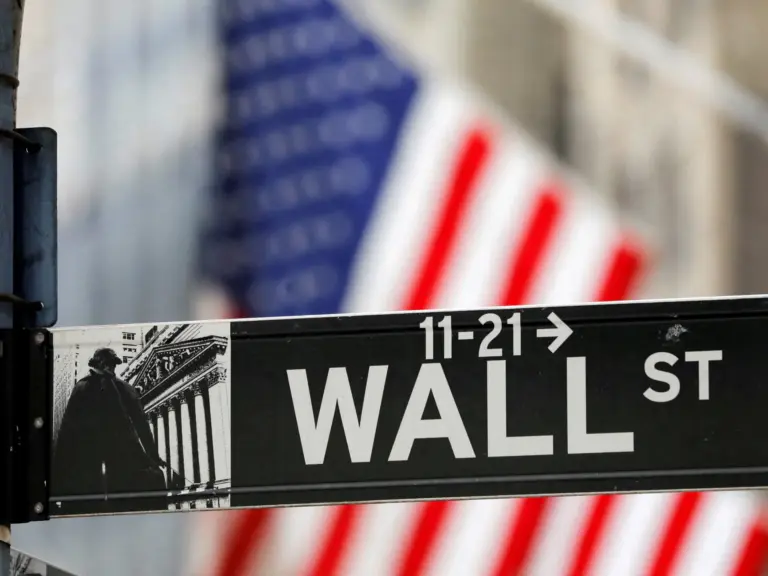
Wall Street faced a bruising Wednesday as major indices slid for the third consecutive session, driven by a volatile cocktail of geopolitical tension and shifting fiscal policy. The Dow Jones Industrial Average led the decline with a loss of nearly zero point eight percent, while the S&P 500 and Nasdaq followed suit, dropping roughly zero point five and zero point six percent respectively. Investors were rattled by a sudden spike in Treasury yields, with the ten year yield hitting four point eight three percent, its highest mark since late 2023. This surge came shortly after Treasury Secretary Scott Bessent announced ambitious plans to triple the department’s next bond buyback program in an attempt to manage mounting borrowing costs.

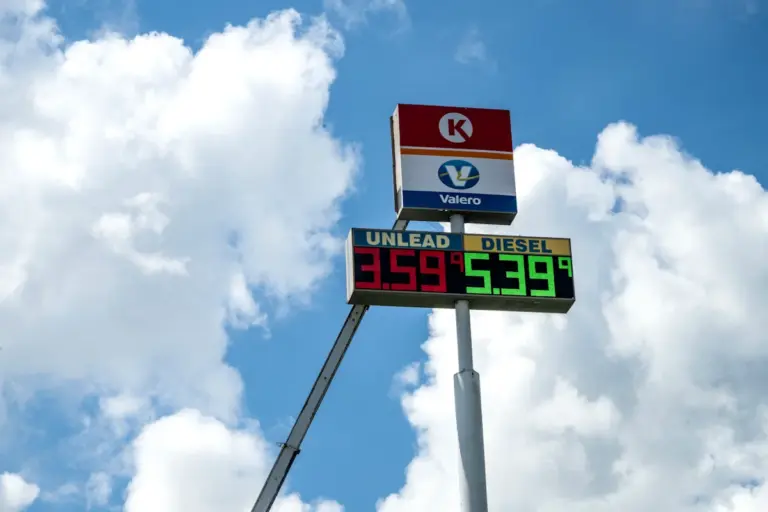
The anxiety in the markets was further amplified by escalating conflict between the United States and Iran. Following U.S. strikes on five Iranian oil tankers, Brent crude futures broke through the hundred dollar per barrel threshold for the first time in over a month. This energy shock sparked immediate fears regarding supply disruptions in the Strait of Hormuz, leading many traders to bet that the Federal Reserve may be forced to raise interest rates next week to combat renewed inflationary pressures. Adding to the strain, reports indicate that U.S. diesel stockpiles could plummet to their lowest levels since 2003, pushing diesel prices toward an unprecedented six dollars per gallon.

Amidst the broader market turmoil, corporate news provided a mixed landscape of winners and losers. Apple stepped into a new chapter as CEO John Ternus debuted several highly anticipated products, including the company’s first foldable device known as the iPhone Duo alongside updated watches and AirPods. Despite the innovation, Apple shares edged lower, following a common pattern where investor caution prevails immediately after product reveals. In contrast, Meta saw its stock surge over six percent as enthusiasts and analysts praised the launch of Muse, its new standalone AI chatbot assistant.

Other sectors felt the pinch of regulatory scrutiny as Fox Corporation and Roku both saw their share prices dip about two percent. The slump occurred after disclosure that the Justice Department has requested more detailed information regarding Fox’s proposed acquisition of Roku, effectively extending the waiting period for the deal by thirty days. With few other earnings reports providing support on Wednesday afternoon, investors remained focused on those macroeconomic headwinds as they braced for potential volatility heading into next week’s central bank decisions.

Tennessee entered their season opener with plenty of questions, but they answered most of them emphatically in a 56-9 demolition of Furman. The Volunteers racked up a staggering 638 yards of total offense, a performance that earned them a jump to number 18 in the latest AP Poll. While it is always tempting to overreact after a blowout win against an FCS opponent, the sheer efficiency displayed by the Vols suggests there is something genuinely special brewing in Knoxville this year.

The biggest story of the night was true freshman quarterback Faizon Brandon, who looked like a seasoned veteran under center. Brandon dismantled the Furman defense with thirteen completions on seventeen attempts for 226 yards and three passing touchdowns, while also adding another two scores on the ground. His poise earned him SEC Freshman of the Week honors and effectively erased what many considered to be the team’s greatest vulnerability heading into the season. Beside him, receiver Matthews proved he can change a game in seconds, turning just four catches into 132 yards and two long touchdowns of fifty-five and fifty-seven yards respectively.

On the other side of the ball, Tennessee played like an SEC powerhouse should when facing inferior competition. The defense held Furman to just 220 total yards and strangled their passing attack, which managed only 43 yards through the air. Defensive lineman Xavier Gilliam was nearly untouchable, recording five tackles for loss and three sacks in a dominant individual effort. However, not everything was flawless; head coach Josh Heupel noted some concerning communication lapses and technical errors from an offensive line struggling without starting center Sam Pendleton during the early stages of the contest.

Despite those minor hiccups up front, Tennessee leaves week one looking dangerous and hungry. The excitement is palpable, but reality will set in quickly as they prepare for a significantly tougher test against Georgia Tech before hosting Texas in what promises to be a massive home showdown. For now, the stock on these Volunteers is soaring high, leaving fans wondering if this is finally the breakthrough season they have spent years anticipating.

Mining giant BHP has entered into a strategic global alliance with Poland’s KGHM Polska Miedz to hunt for and develop new copper deposits. The partnership, formalized through a memorandum of understanding announced Tuesday, creates a collaborative framework where the world’s largest mining firm and the European Union’s leading copper producer can share technical data and evaluate early stage assets. While the two companies already maintain joint operations in Chile, this new pact aims to push their search for minerals far beyond their established footprints in Australia, Europe, and the Americas.

The move comes at a critical time as the global demand for copper surges, fueled by digital infrastructure investments and the ongoing shift toward green energy. BHP Chief Executive Brandon Craig noted that the industry must find new ways to unlock growth opportunities to keep pace with these trends. For KGHM, which also holds the title of the world’s second largest silver producer, the deal offers a structured path to diversify its pipeline as competition for high grade ore becomes increasingly fierce on a global scale.

Industry analysts warn that physical supply constraints are tightening across traditional mining hubs. Recent reports suggest a looming global deficit could reach seven million metric tons by 2035, exacerbated by falling ore grades in Chile and operational hurdles in Indonesia and the Democratic Republic of Congo. This scarcity makes partnerships like this one essential for BHP as it pursues an ambitious goal of producing two million metric tons of copper annually by the mid 2030s.

Copper has rapidly become a cornerstone of BHP’s financial strategy, recently overtaking iron ore as its primary profit engine. To complement this new alliance with KGHM, BHP continues to pour capital into its own holdings, including significant upgrades at its Escondida mine in Chile and expansion efforts at Olympic Dam in South Australia. Together, these initiatives signal a massive bet on the long term necessity of copper in a modernizing world economy.